Bedding Guide
How to Choose a Luxury Sheet Set: Fabric, Weave, and Care
The feel of a bed begins with a close-up: a flax fiber, a cotton yarn, the tiny over-and-under pattern of a weave. Luxury sheets are shaped by these details as much as by their price. Learn how to compare fabric, construction, fit, sourcing, and care—and find the set that suits both your sleep and your laundry routine.
At bedtime, sheets are the landscape closest to the body. They gather warmth, release moisture, shift with every turn, and meet the skin for hours at a stretch. Yet shopping for them can feel like navigating a thicket of numbers and polished promises. Thread count, “hotel quality,” organic claims, and images of immaculate beds may all compete for attention. The most useful questions are more practical: What fiber is this? How is it woven? How will it feel after repeated washing? Can I care for it properly?
Those questions matter because luxury is not one universal sensation. Some sleepers want the cool, crisp touch of cotton percale. Others prefer linen’s airy, textured drape or the smooth glide of silk. A sheet set that feels sumptuous to one person may seem too crisp, too warm, or too slippery to another. Start with your own preferences, then read the specifications as a guide to how the fabric is made and maintained.
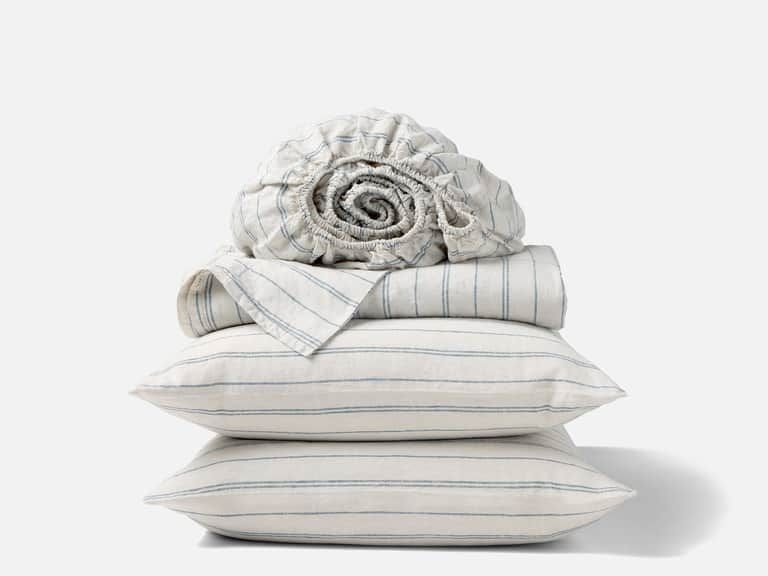
Naturepedic organic linen sheets offer one example of the details worth examining: the fiber source, organic certification, fabric weight, set contents, and care instructions. The point is not that one construction suits everyone. It is that informed comparisons begin with the cloth itself—not a single headline number.
Begin with the fiber, not the label
Fiber is the raw material from which a sheet is made, and it helps determine how the fabric feels, breathes, drapes, and wears. Linen comes from the flax plant; cotton comes from the cotton plant. Silk is produced by silkworms and is known for its smooth surface. Each fiber can be made into different fabrics, so “cotton” or “linen” is only the beginning of the description. Weave and finishing shape the final experience.
Linen is valued for its relaxed surface and ability to let air move through the cloth. Many people enjoy its slightly irregular texture and easy, lived-in appearance. It may feel more structured or textured at first than a smooth cotton sheet, then become more supple with use and washing. Linen’s characteristic creases are part of its appeal for some households and a drawback for people who prefer a sharply pressed bed.
Cotton is familiar, versatile, and available in many finishes. A cotton percale sheet often feels light, crisp, and matte. Cotton sateen, by contrast, typically has a smoother hand and a subtle sheen. The cotton fiber may be similar; the weave changes the way its surface meets the skin. If you like the clean feel of a freshly made bed, percale may be a natural starting point. If you want a softer, more fluid drape, sateen may be worth considering.
Silk has a notably smooth feel and a different kind of drape from linen or cotton. It can require more attentive handling, even when a product is designed to be machine washable. Always follow the manufacturer’s instructions: “washable” does not mean that a hot cycle, ordinary detergent, or high-heat drying is appropriate.
Fiber labels also deserve a careful read. “Natural” describes a broad material family, while “organic” refers to how agricultural materials and, depending on the certification, parts of processing are managed. The precise meaning depends on the standard. Look for the name of a certification and check what it covers rather than relying on a vague sustainability phrase.
Weave is the architecture of the surface
Weave describes how yarns cross to form a fabric. It affects texture, weight, drape, and the way a sheet feels against the body. Two sheets made from the same fiber can have noticeably different characters because their yarns are arranged differently and finished in different ways.
Percale: crisp and breathable
Percale uses a simple, balanced weave in which yarns pass over and under one another in a regular pattern. Cotton percale is often described as cool, crisp, and matte. Its light, airy quality can be appealing to warm sleepers and to anyone who prefers a freshly laundered, smooth-but-not-silky surface. The fabric may soften over time, though its characteristic crispness remains part of its appeal.
Sateen: smooth with a soft sheen
Sateen places more yarn across the surface than a basic percale construction, creating a smoother hand and a gentle luster. It tends to drape more fluidly and may feel warmer or heavier to some sleepers. The result depends on the yarn, finishing, and fabric weight, so use these descriptions as a starting point rather than a guarantee.
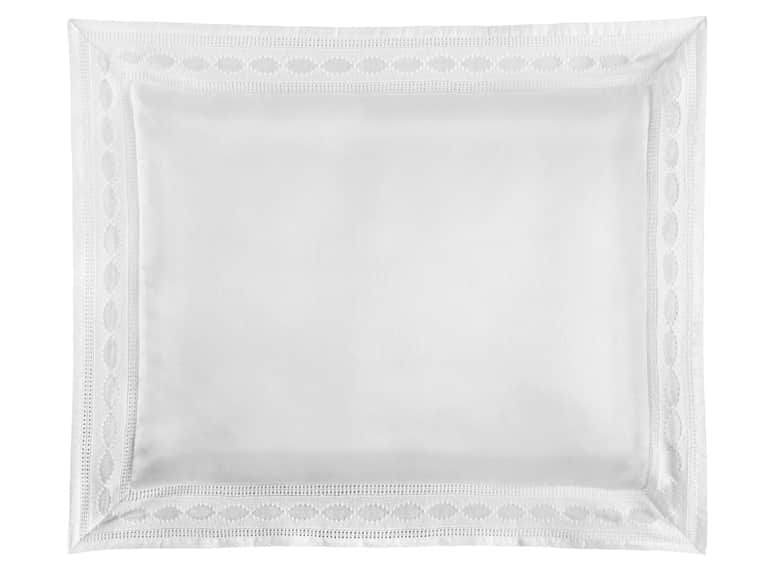
For a concrete example of cotton sateen detailing, the Bovi Sylvia Cotton Sateen Pillowcases and Shams are made from 300-thread-count cotton sateen and finished with a cotton voile flange. They are pillowcases and shams rather than a full sheet set, but they illustrate how weave and finishing can influence the look and feel of bedding.
Linen: textured, relaxed, and distinctive
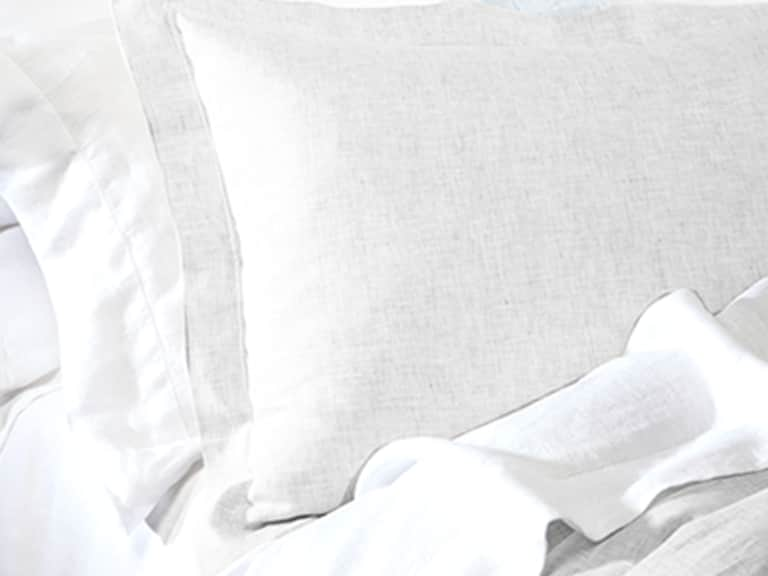
Linen’s visible texture comes from the character of the flax yarn and the construction of the fabric. It often has a relaxed drape and a naturally rumpled appearance rather than the uniform smoothness associated with some cotton sheets. Linen can be a compelling choice for people who want a breathable sleep surface and do not mind a more tactile feel. Weight matters: a heavier linen may feel substantial, while a lighter cloth can feel more airy.
Finishing influences first impressions, too. Stone-washing or garment-washing can make a linen fabric feel softer and more relaxed when new. A plant-based softener finish is another detail you may encounter. These treatments do not replace good care; they describe aspects of how the fabric has been prepared before it reaches the bed.
Why thread count is only one clue
Thread count refers to the number of threads in a square inch of fabric, but it is not a complete measure of quality. The number does not tell you everything about the fiber, yarn quality, weave, finishing, or durability. Nor can it reliably predict whether a sheet will feel cool, soft, crisp, or substantial.
A very high number may look impressive, but a comparison is useful only when manufacturers count consistently and disclose what the figure represents. A lower-count percale can feel crisp and lightweight; a sateen can feel smoother without needing an extraordinary number. For linen, weight is often a more useful specification than a thread-count comparison. Fabric weight, commonly listed in grams per square meter, gives a sense of how much material is present, though it still cannot tell you precisely how the cloth will feel.
Instead of choosing by the largest number, look for a complete description: fiber content, weave, fabric weight where provided, origin, finishing, certification, and care. If two options are still hard to distinguish, consider the details that affect daily use—fitted-sheet pocket depth, elastic construction, set contents, and whether the fabric suits your preferred sleeping temperature.
Use sourcing and certification as evidence, not shorthand
Labels can help make a product more legible, but they should be read carefully. A country of origin may refer to where fiber was grown, where fabric was woven, where the item was sewn, or where final processing took place. Those stages are not interchangeable. A detailed product description may name several locations, offering a clearer picture of a textile’s journey.
Naturepedic organic linen sheets provide a useful example. Their listed specifications identify organic flax grown in France, linen woven in an organic-certified facility in India, and GOTS certification. They are described as 185 grams per square meter, with a set that includes a flat sheet, fitted sheet, and two pillowcases. The care guidance calls for warm machine washing, low tumble drying, warm ironing if desired, and no bleach. Reading these details together gives a fuller understanding than the phrase “organic linen” alone.
Certification language should also be specific. A product listing may identify a named standard, such as GOTS or OEKO-TEX Standard 100. These standards address different aspects of textile production or product testing, so one should not be treated as a substitute for the other. If a claim is important to your decision, look for the certification name and verify its scope with the certifying organization.
For another example of traceable linen details, the Organic Relaxed Linen Sheet Set is described as using GOTS-certified organic flax grown in France and woven into linen in Portugal. Its specification also notes a 15-inch fitted-sheet pocket, full elastic, pick-stitched cuffs, and a cold gentle wash with low tumble drying. These facts help shoppers assess sourcing and practical fit without assuming that any one origin or label guarantees a particular personal preference.
Match the sheet to your sleep and your room
Think first about how you like a bed to feel. If you wake warm or enjoy a dry, airy surface, you might compare linen with cotton percale. If you prefer a smooth hand and a more fluid drape, explore sateen or silk, keeping in mind their distinct care needs. If texture is part of the pleasure, linen’s relaxed surface may be appealing. These are tendencies, not rules; a sleeper’s comfort also depends on the room climate, mattress, duvet, sleepwear, and individual preferences.
Consider how the bedding will be used. A guest-room set that is washed infrequently may call for different priorities than sheets used every night by a busy household. A fabric that needs a delicate cycle or air drying may be manageable if you enjoy caring for it, but inconvenient if laundry must be quick and simple. The best luxury sheet set is not merely beautiful on arrival; it is one you can maintain comfortably.
Color and styling matter, too, but begin with function. A crisp white percale bed reads differently from a softly rumpled linen one, even before pillows and blankets are added. If you want a cohesive look, check whether the range offers coordinating duvet covers or pillowcases. The Downtown Company’s Layla Linen Duvet Cover, for example, is made from stone-washed flax linen and finished with hemstitch detailing and a flange. It is a duvet cover, not a sheet set, but its material and finish can help illustrate how linen layers might complement a relaxed bedding scheme.
Check fit and set contents before you buy
Even a beautiful fabric can be frustrating if the fitted sheet slips off or the set lacks the pieces you expected. Measure the mattress, including any topper, and compare that measurement with the pocket depth listed for the fitted sheet. A stated 15-inch pocket, for example, indicates the sheet’s intended mattress depth; it is worth checking whether your total mattress-and-topper height fits within that dimension.
Look closely at what “set” means in each listing. Some sets include a flat sheet, a fitted sheet, and pillowcases; others may offer different pieces by size. Duvet covers and inserts are often sold separately. Pillow shams may also be sold individually, while pillowcases may come in pairs. Before ordering, confirm the size, quantities, closure details, and whether the coordinating pieces are included or separate.
Small construction details can make everyday use easier. Full elastic around a fitted sheet can help it stay in place. Pick stitching, hems, and flanges contribute to the finish and appearance. None of these details alone defines quality, but they help explain how a product is built and whether it suits the way you make the bed.
Care is part of the purchase
Washing instructions are not fine print to ignore after checkout. Heat, detergent, overloading, and drying can affect the surface and lifespan of a textile. Before washing new sheets, separate colors as advised and read the care label attached to the item; instructions can vary even among products made from the same fiber.
- For linen: follow the listed water temperature and cycle. Many relaxed linen products recommend a cold, gentle wash and low tumble drying. Avoid overloading the washer so the fabric can move freely.
- For cotton percale or sateen: use the product’s stated temperature and drying instructions. Remove items promptly if instructed, and avoid unnecessary heat that can stress fibers or encourage creasing.
- For silk: use a delicate cycle or hand wash only when the label permits it. A silk-safe detergent, cold water, and air drying away from direct heat or sunlight are common directions for machine-washable silk, but the specific label should take priority.
- For all fabrics: use the recommended amount of detergent, avoid bleach unless explicitly permitted, and do not assume fabric softener is beneficial. Residue can build up, and some manufacturers specifically advise against it.
Care requirements can also influence value over time. A sheet that fits your routine is more likely to be used and maintained as intended. If you prefer to tumble-dry every load, a product that calls for air drying may not be the most practical choice, however luxurious it feels in a showroom description.
A simple checklist for comparing luxury sheets
When product pages begin to blur together, compare them using the same set of questions. Write down the answers if you are considering several options. The process shifts attention away from promotional language and toward the details that shape real use.
- Fiber: Is the sheet linen, cotton, silk, or a blend? Is the fiber content clearly stated?
- Weave and feel: Is it percale, sateen, or another construction? Do you prefer crisp, smooth, textured, or draped fabric?
- Weight and finish: Is a fabric weight listed? Has it been stone-washed, garment-washed, or otherwise finished?
- Sourcing: Does the description distinguish where the fiber was grown, fabric woven, and item made?
- Certification: Is a named standard provided, and do you understand what it addresses?
- Fit: Will the fitted-sheet pocket suit your mattress and topper?
- Contents: Which pieces are included in the set, and are pillowcases or duvet covers sold separately?
- Care: Can you follow the washing and drying instructions with the laundry setup you have?
Choose for the nights ahead
Luxury sheets are not defined by a single number or a glossy description. They are the result of fiber, weave, finishing, construction, and care working together. Linen offers a textured, breathable character; cotton percale brings a crisp, matte touch; sateen feels smoother and more fluid; silk is exceptionally sleek and calls for its own care considerations. None is automatically the best. The right choice is the one that feels good to you and fits the life you lead.
Read beyond thread count. Look for clear fiber details, understand what certifications mean, check the fitted-sheet depth, and make sure the care instructions are realistic. A product such as Naturepedic organic linen sheets can serve as a useful case study in reading those details together: organic flax sourcing, stated fabric weight, certification, included pieces, and washing guidance all contribute to a more complete picture.
Once the practical questions are answered, the decision becomes more personal. Do you want the first touch of a cool, crisp sheet, or the softening, gently creased character of linen? Would you rather follow a simple wash routine or give a delicate fabric more attention? The answers can guide you toward a bed that feels considered—not just on the first night, but through many seasons of washing, resting, and waking.
Frequently asked questions
Are luxury sheets always high thread count?
No. Thread count is one specification, not a universal quality score. Fiber, yarn, weave, finishing, and construction all affect feel and performance. Compare complete product details rather than choosing by the largest number.
Do linen sheets get softer?
Linen often becomes softer and more supple with use and washing, while retaining its characteristic texture. The pace and degree of change depend on the fabric and how it is cared for.
Is percale cooler than sateen?
Percale is often described as lighter and crisper, while sateen is usually smoother and more fluid. Personal comfort depends on the specific fabric and sleeping environment, so weave descriptions are helpful starting points rather than guarantees.
What matters most when choosing an organic linen sheet set?
Check the stated fiber source, named certification, construction, fitted-sheet dimensions, set contents, and care instructions. These details clarify what the product is made from and whether it suits your needs and routine.