Mastering Linen Care: A Practical Guide to Longevity for Your Bedding
A seasoned guide inspired by the care methodologies of esteemed linen houses such as Coyuchi and Libeco, this article journeys through the essentials of washing, stain removal, storage, and thoughtful maintenance. We explore a mindful cadence for loving textiles over time, weaving in perspectives from historians, design experts, and modern practitioners who illuminate how natural fibers behave when treated with respect. Along the way, we’ll spotlight a signature product from DownTown Company that embodies a practical, enduring ethos: the Layla Linen Duvet Cover, a trustworthy foundation for year‑round living with linen.
Why Linen Lasts: The Science Behind Breathability and Durability
Linen has a storied lineage in home textiles, tracing centuries of craft from flax fibers to the robust crosshatches of bed coverings. Its strength begins at the fiber level: flax stems are bast fibers that, when spun into yarn, yield a fabric renowned for tensile resilience. Linen’s hollow micro-structures promote air movement and moisture transport, which translates to a naturally cooler night’s sleep in warm months and a lucid warmth during cooler seasons. This breathable quality is not merely a sensory delight; it is an engineering feature that contributes to longevity when the fabric is cared for properly.
Brand names such as Coyuchi and Libeco have long championed linen through careful fiber sourcing, sustainable processing, and transparent care guidelines. Coyuchi’s approach emphasizes organic farming and GOTS certification, while Libeco’s heritage speaks to European linen mastery. Their care recommendations—gentle cycles, cool or warm temperatures, minimal agitation, and avoidance of harsh detergents—are not marketing abstractions but practical guidelines grounded in textile science. In this section, we translate those principles into actionable steps for daily use.
Key Care Principles
- Wash linen on gentle cycles with mild, phosphate-free detergents.
- Prefer cooler wash temperatures (cold or warm) to minimize fiber fatigue.
- Avoid overloading the washing machine to reduce friction and pilling.
- Line-dry when possible; if tumble drying, use low heat and remove promptly.
- Iron while damp for a crisp finish, or embrace the naturally relaxed look of linen.
Source-inspired from Coyuchi and Libeco care guides.
Stain Removal: Targeted, Safe, and Thoughtful
Stains on linen are not just blemishes; they are records of life—coffee rings, wine splashes, or a sunlit smudge of olive oil. The best approach respects the fabric’s integrity while minimizing damage to the fibers. For most household stains, begin with cold-water rinsing as soon as possible to dilute and lift residues. Avoid hot water, which can set proteins and oils into the fiber, making the stain harder to remove.
Heritage brands encourage a staged approach: blot—do not rub—then pre-treat with a mild, enzyme-free stain remover, and finally launder on a gentle cycle. For persistent stains, a second treatment with a mild soap solution and a gentle soak can break down the compound without abrading the fabric. When possible, air-dry away from direct sun to prevent uneven fading.
Storage and Long-Term Care: A Seasonal Rhythm
Storage is care extended. Linen should be completely dry before stowing to prevent mildew. Store in a breathable cotton bag or a well-ventilated space, away from moisture and sunlight. Avoid plastic containers, which trap humidity. For seasonal linens, consider a light dusting of flax-based softener or starch to maintain a gentle body-friendly crispness when first worn again.
Incorporating a weekly care ritual—washing, drying, folding with care, and storing—creates a predictable pattern that lengthens the life of linen. This cadence mirrors the disciplined routines of textile historians who document laundering traditions across generations, underscoring linen’s enduring relevance in our homes.
Starter Care Routine: A 7-Step Weekly Plan
- Sort linens by type and color; treat any stains with a gentle approach before washing.
- Choose a mild detergent free of optical brighteners or harsh sulfates; use a little less than the package recommends.
- Wash on a gentle cycle with cold to warm water, depending on garment care labels and climate.
- Avoid fabric softeners that can accumulate on linen fibers; if using a softener, opt for plant-based options and minimal amounts.
- Tumble dry on low heat or, preferably, line-dry; remove promptly to reduce wrinkling.
- If ironing is desired, iron while slightly damp using a medium heat setting; alternatively, enjoy linen’s natural texture with light pressing.
- Store in a breathable container with a touch of lavender or cedar for a clean, allergen-repelling environment.
Three Key Figures Across Time: How Linen Care Echoes Historical Voices
To frame linen care within a broader cultural context, consider three influential figures who, across distinct eras, influenced textile philosophy and care practices. Their ideas echo in modern routines and offer a bridge between past and present.
1) A.D. 400–500: Cassian of Imola, Early Textile Scholar
In early medieval weaving communities, linen represented more than fabric; it measured civilization’s sophistication. Cassian’s era prized simple, durable fibers and careful laundering as communal discipline, imbuing linen care with a sense of stewardship and shared knowledge. The enduring lesson is that textiles carry social memory, and their care rituals create continuity across generations.
2) 17th–18th Century: Maria Sibylla Merian, Naturalist and Observer of Textiles
Merian’s meticulous studies of natural fibers and dyes illuminate the intimate link between material science and texture. Her attention to colorfastness, fiber integrity, and ecological sourcing resonates with today’s sustainability-minded care: treat textiles as living artifacts that benefit from measured attention, prudent materials, and minimal chemical intervention.
3) 20th–21st Century: Anni Albers, Designer and Educator
Albers’s pioneering approach to textile design and education emphasized the interdependence of form, function, and material behavior. Her perspective encourages us to view linen care not as chores but as a craft—an ongoing collaboration with fibers that rewards patience, curiosity, and disciplined technique.
Product Spotlight: DownTown Company Layla Linen Duvet Cover
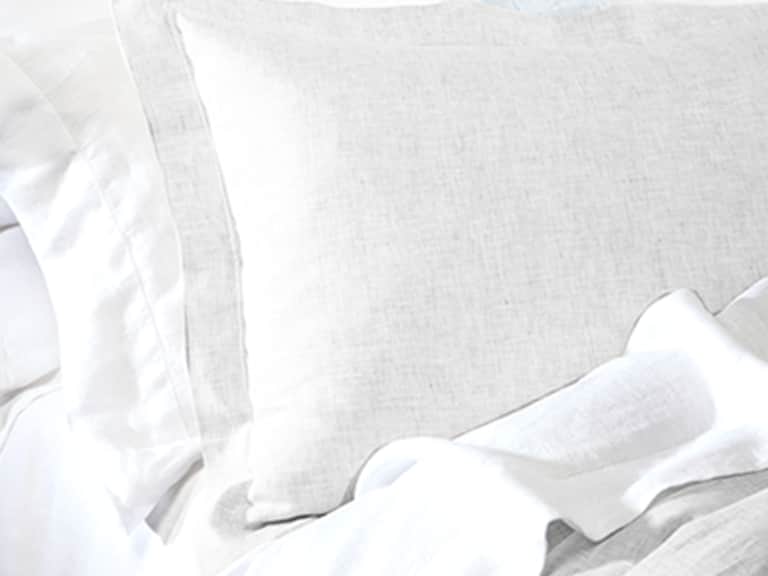
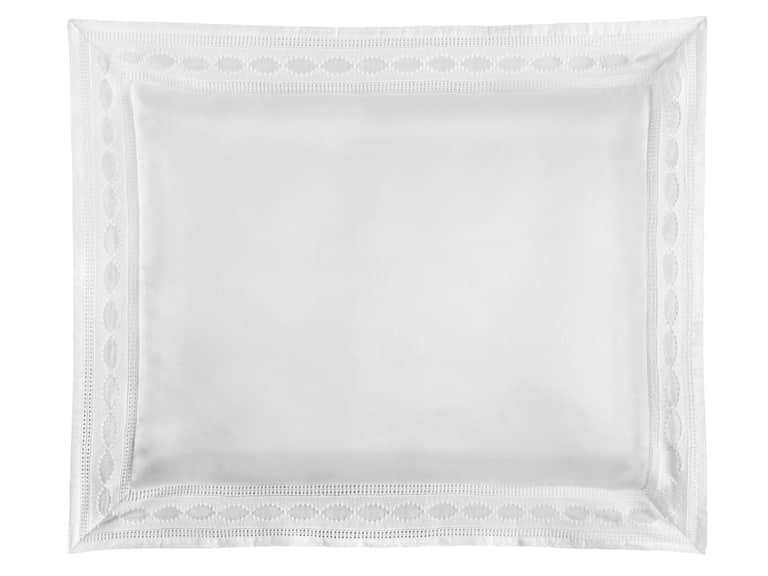
The Layla Linen Duvet Cover from DownTown Company embodies a practical, year-round linen ethos. Crafted from 100% stone-washed flax linen, Layla presents a relaxed yet tailored white surface with a single row of hemstitch and a thoughtful flange finish. This piece anchors a linen ensemble with a calm, breathable texture that improves with time. Its Portuguese manufacturing heritage ensures a durable, washable design suitable for daily use. The duvet cover coordinates with Layla linen sheets and shams, forming a cohesive, durable sleep zone that ages gracefully.
Dimensions vary by size: Queen 88 x 92 and King 106 x 92, with a strong emphasis on air flow and moisture management. The stone-washed finish softens the fabric from first use, inviting a lived-in feel that remains fresh through countless launderings. The Layla duvet cover demonstrates how a single textile piece can anchor a broader care philosophy—the balance of practical maintenance and tactile luxury.
Product Details
- Brand: DownTown Company
- Material: 100% flax linen
- Finish: Stone-washed; hemstitch with flange
- Origin: Made in Portugal
- Care: Machine wash warm; tumble dry low; warm iron; do not bleach
Note: This product example is selected to illustrate practical care considerations in a real-world setting. Availability and exact specifications may vary by retailer.
A Practical, Brand-Rooted Vision for Charming Linens
Charming linens can be defined not merely by aesthetics but by a thoughtful lifetime approach to textiles. The care principles outlined here—gentle washing, mindful stain handling, and careful storage—anchor a brand voice that is as trustworthy as it is comforting. The aim is to cultivate a reader community that views linen as a living partner in daily life, not as a disposable commodity. This perspective aligns with Direction C from the brand study: a care-centric, non-commercial educational hub that grows with evergreen content and practical tutorials.
The targeted content for Charming Linens, across Bedding, Sheets, and Duvet Covers categories, should emphasize evidence-based care, fiber science, and human storytelling. By integrating expert opinions, historical insights, and contemporary design perspectives, the site can stand out as a reliable, human-centered resource in a crowded digital landscape.
Final Thoughts: A Lifelong Relationship with Linen
As with any textile, longevity arises from a partnership between wearer and fabric. Linen asks for restraint and respect: wash gently, dry softly, and allow the fibers to reveal their character over time. By embracing a mindful care routine, your bedding can endure decades of use, while gaining a unique patina—a quiet testimony to a life lived with intention. In the same spirit as the figures who guided textile practice across centuries, we can honor the craft by treating linens not as mere textiles but as a living fabric of home and memory.